
The Digital Crowd Is Replacing the Background Actor
AI crowd simulation tools are quietly changing how large scenes get made
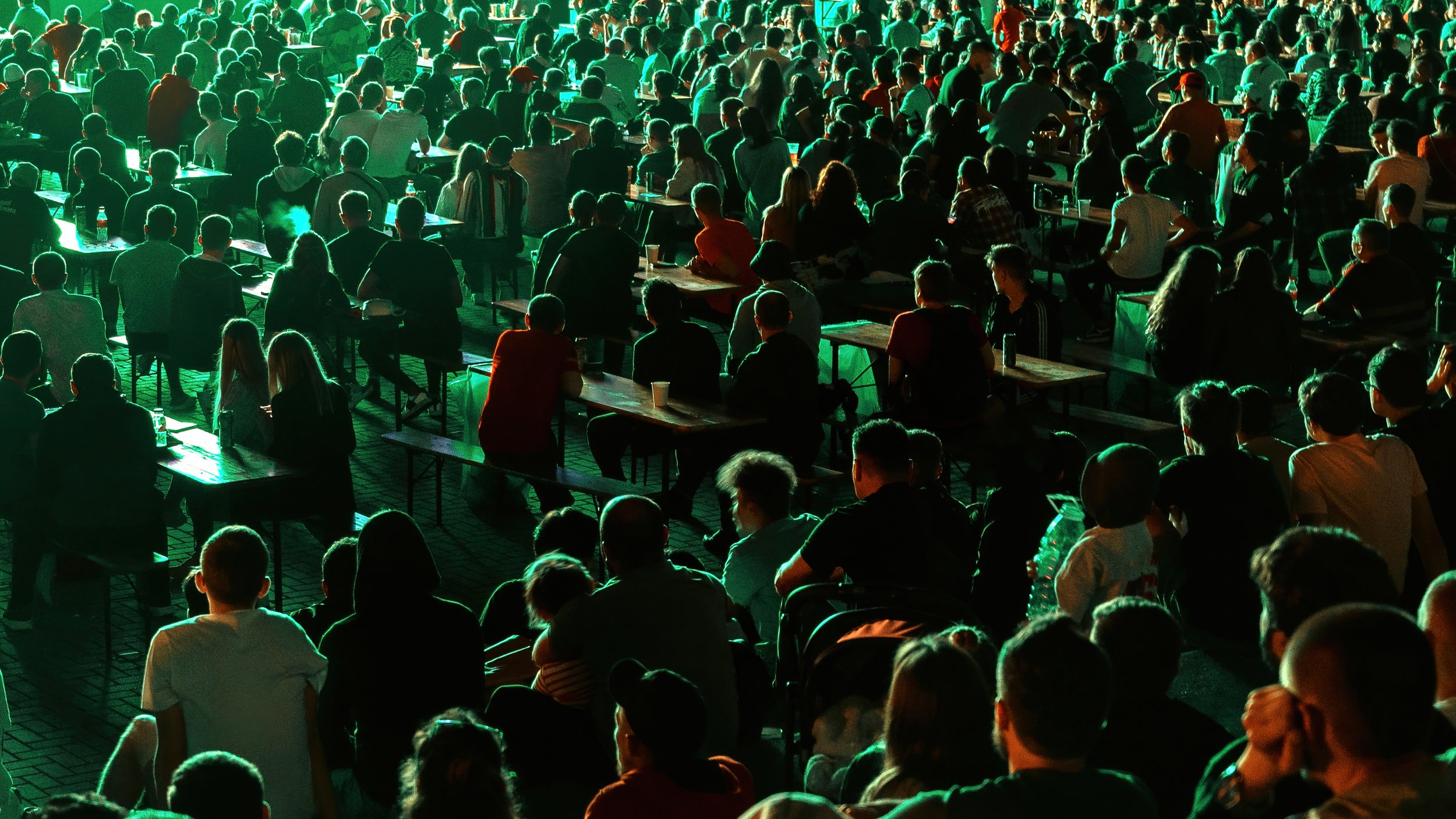
In the history of filmmaking, few things signal scale like a crowd. From Roman battlefields to packed stadiums, thousands of bodies moving in unison tell the audience that what they’re watching is expensive.
Artificial intelligence is beginning to change how those bodies appear on screen.
In early February, visual effects teams working with updated crowd-simulation systems inside Autodesk’s production ecosystem began demonstrating how machine-learning tools can generate thousands of digital background performers with minimal manual animation. The technology builds on decades of crowd-simulation software used in films like The Lord of the Rings, but the latest systems rely heavily on AI to create more varied and believable movement.
Traditionally, large crowd scenes have been created through a combination of real extras, digital duplication, and painstaking visual effects work. Productions might film several hundred performers in sections and then replicate them across a stadium or battlefield.
That process is expensive and time-consuming.
AI-driven systems approach the problem differently. Instead of duplicating individual performers, they generate large populations of simulated characters whose behavior is controlled algorithmically. Each digital figure can move, react, and interact with the environment in ways that appear unique.
For filmmakers, the advantages are obvious.
Directors can adjust crowd density, camera perspective, and environmental reactions almost instantly. A stadium can go from half-empty to packed within minutes. A medieval army can swell from hundreds to tens of thousands without additional filming days.
For visual effects supervisors, the biggest benefit is speed. Scenes that once required weeks of manual animation can now be generated procedurally and refined afterward.
But efficiency in Hollywood rarely arrives without consequences.
Background performers—often called “extras”—have historically played a quiet but important role in the industry. They fill restaurants, populate city streets, and create the sense that fictional worlds extend beyond the main characters. For many aspiring actors, background work has also served as an entry point into the profession.
If AI-generated crowds become widespread, that pathway could shrink.
Labor groups have already begun discussing how generative tools might affect background performers, particularly in large-scale productions where digital crowds are easiest to implement. The issue is not entirely new; visual effects teams have been augmenting crowds for years.
What is changing is the scale.
Machine-learning systems can now generate far more varied behavior than earlier crowd-simulation software, making digital characters harder to distinguish from filmed performers.
Studios, for now, are approaching the technology cautiously. Most productions still rely on real extras for foreground action and use digital simulation primarily to expand the background.
That hybrid approach allows filmmakers to maintain realistic human movement while reducing logistical challenges.
Whether that balance holds may depend on economics.
Large productions increasingly rely on visual effects pipelines that combine practical filmmaking with digital environments. AI-driven crowd simulation fits neatly into that model.
And like many technological changes in Hollywood, the shift may not happen suddenly. Departments rarely disappear overnight. Instead, they evolve.
For audiences, the difference may be invisible. The crowd cheering in a stadium scene will still look real.
But behind the camera, fewer of those faces may belong to actual people.