
Cannes Turns AI Into the Festival’s Most Awkward Conversation
Darren Aronofsky, Google DeepMind and AI-assisted films made the Croisette a showcase for both creative experimentation and industry unease
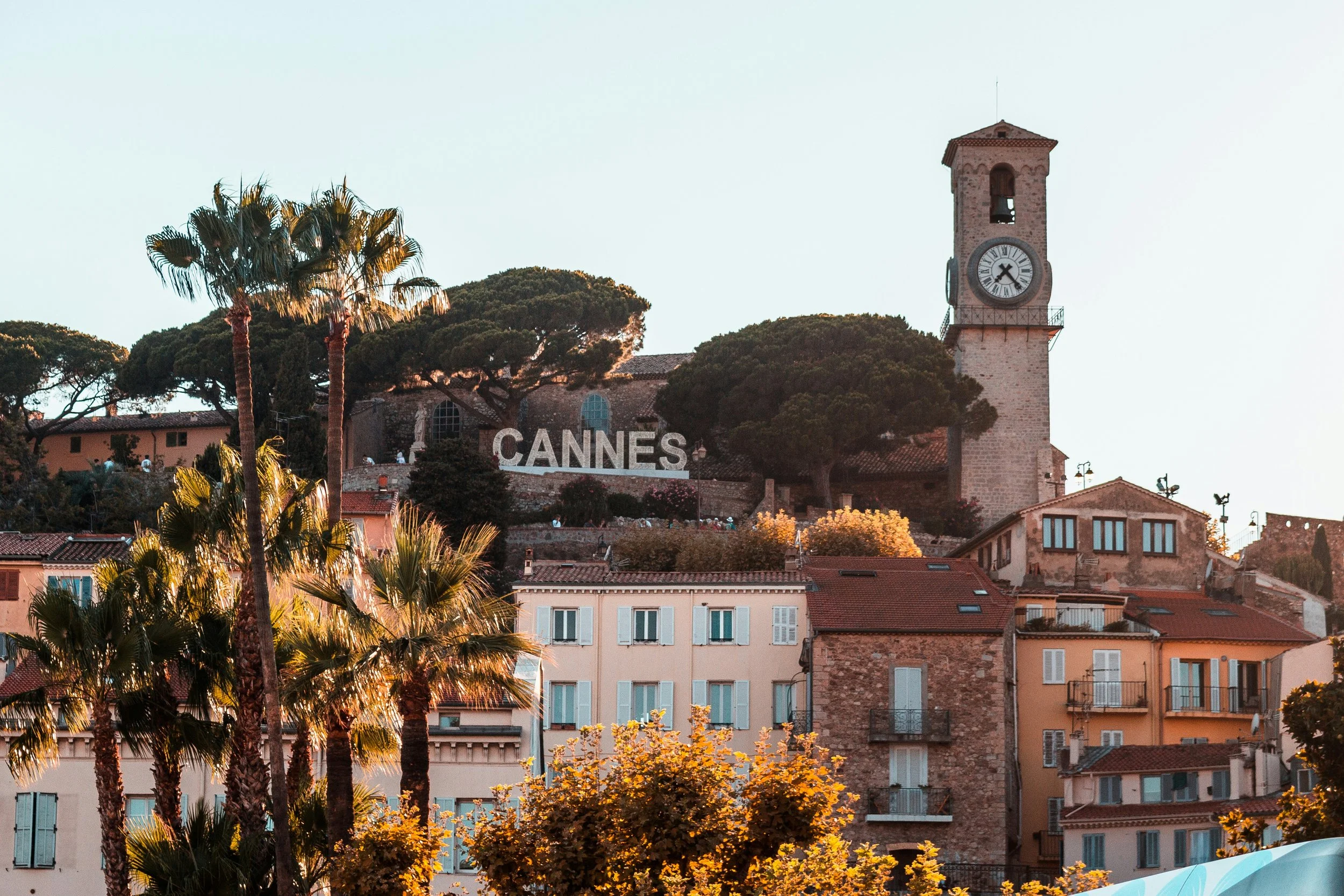
Photo by Jannis Lucas on Unsplash
Artificial intelligence did not arrive at Cannes as a side issue this year. It arrived as one of the festival’s central arguments. At panels, screenings and private gatherings along the Croisette, filmmakers and executives debated whether AI belongs in cinema as a practical tool, an artistic collaborator or a threat to the labor system that makes movies possible.
The most visible flashpoint came from Darren Aronofsky, who used Cannes to defend AI as part of what he called an expanding cinematic toolbox. His studio, Primordial Soup, has partnered with Google DeepMind on AI-assisted projects, including Goodnight Lamby, a short that used AI to solve a production problem involving digitally simulated newborns. That framing matters: Aronofsky was not pitching AI as a way to erase artists, but as a way to solve practical creative problems that might otherwise be difficult, expensive or ethically complicated.
That argument has become increasingly common among filmmakers who want access to the technology without endorsing its most aggressive uses. AI can generate previsualization, assist with images, clean up production problems and lower barriers for smaller projects. For directors operating outside tentpole budgets, those tools may feel less like an existential threat than a long-delayed equalizer.
But Cannes also showed why the industry remains divided. Steven Soderbergh’s John Lennon: The Last Interview reportedly used AI for roughly 10 percent of its visuals, a number small enough to sound controlled but large enough to raise questions about disclosure and authorship. At the same time, filmmakers such as Guillermo del Toro and Seth Rogen have continued warning against a creative culture that treats machine-generated work as interchangeable with human imagination.
The tension is particularly sharp at festivals because they are built around authorship. Studios may evaluate AI through budgets and workflows, but festivals sell the idea of individual vision. Once AI enters that conversation, the question becomes less technical and more philosophical: how much of a film can be machine-assisted before the audience deserves to know?
Cannes has not banned AI outright. Fully AI-generated films face restrictions in certain contexts, but the broader festival ecosystem remains open to projects that use AI as part of the process. That ambiguity reflects the larger state of cinema. No one wants to discourage experimentation, but few institutions want to be seen as laundering automation through the language of art.
For Hollywood, Cannes matters because it shapes prestige. If AI-assisted work can be normalized at the world’s most influential film festival, the stigma around certain uses will fade quickly. If backlash hardens instead, studios may keep AI buried in invisible technical workflows rather than foregrounding it as part of the creative process.
The Croisette has always been a place where cinema argues about its future. This year, the argument was no longer theoretical. AI was on panels, in films, in deal conversations and in the anxiety surrounding all of them.