
Google's $75 Million Bet on A24 Changes Hollywood's AI Conversation
Google's investment in independent studio A24 is more than another AI partnership—it signals a shift from Silicon Valley building tools for Hollywood to filmmakers helping shape the technology from the inside.
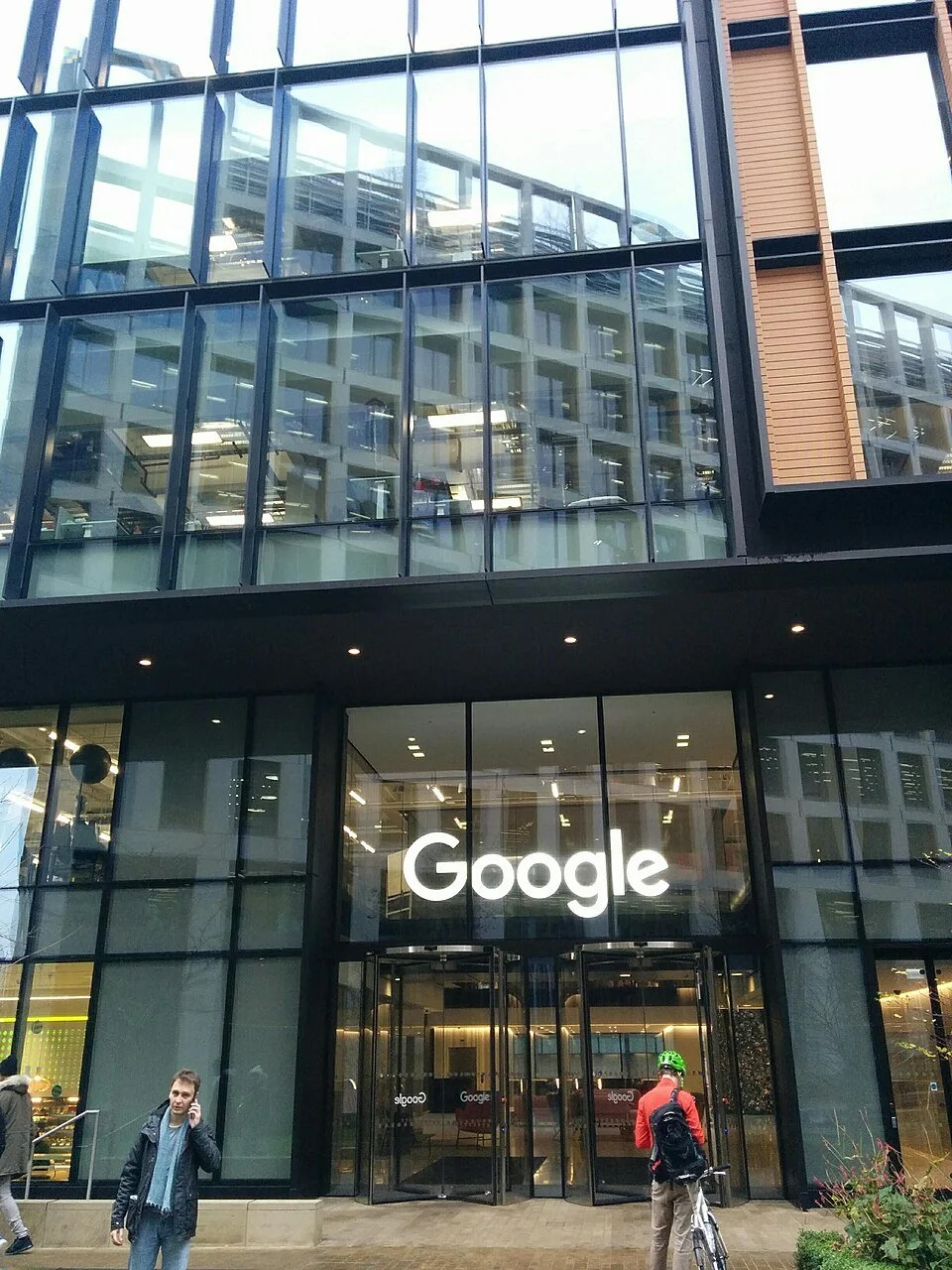
Gciriani, CC BY-SA 4.0 <https://creativecommons.org/licenses/by-sa/4.0>, via Wikimedia Commons
For nearly three years, Hollywood's relationship with artificial intelligence has been defined by conflict. Studios sued AI companies over copyright. Actors fought to protect their likenesses. Writers negotiated contract language limiting AI's role in creative work. Technology firms largely developed their products outside the entertainment industry, while filmmakers reacted from the sidelines.
On June 23, that dynamic changed.
Google announced a research partnership between its DeepMind AI division and independent studio A24, backed by an investment of approximately $75 million—the first time the technology giant has taken an ownership stake in a film studio. According to Variety, the collaboration will pair DeepMind researchers with A24 filmmakers to develop AI-powered production tools, while explicitly excluding access to A24's film library or copyrighted content for model training.
The distinction is significant.
Unlike previous Hollywood-AI partnerships that focused on licensing content or experimenting with off-the-shelf software, the A24 agreement positions filmmakers as participants in the research process itself. DeepMind said the goal is to develop workflows "shaped by the creators who use them," while A24 stressed that filmmakers would retain creative control throughout the collaboration.
The investment also reflects A24's growing influence within the industry. The independent studio, valued at approximately $3.5 billion during its 2024 funding round, has become one of Hollywood's most influential creative brands through films such as Everything Everywhere All at Once, Backrooms and Marty Supreme. Rather than partnering with one of the legacy studios, Google chose the company widely regarded as Hollywood's leading independent tastemaker.
That choice says as much about the technology companies as it does about A24.
For years, Silicon Valley approached Hollywood primarily as a source of intellectual property or distribution. Today's AI race is different. The value lies less in acquiring finished films than in understanding how directors, editors, cinematographers and production teams actually work. Google appears to believe that embedding researchers inside a studio will produce better AI tools than building them in isolation.
The companies have also been careful about what the partnership is not.
According to Reuters, Google will not receive access to A24's film library or use the studio's catalog to train generative models. Instead, the collaboration will focus on developing production workflows and creative techniques that filmmakers can test in real-world environments. That distinction addresses one of Hollywood's biggest concerns: that technology companies would use studio-owned intellectual property as training data without meaningful participation from creators.
The announcement nevertheless generated immediate backlash among portions of A24's fan base, many of whom associate the studio with auteur-driven filmmaking rather than Silicon Valley partnerships. Within days, social media criticism intensified, prompting A24 to issue a public statement explaining that it wanted "a seat at the table" in shaping AI tools instead of having them imposed on filmmakers later. The studio argued that participating in development was preferable to reacting after the technology had already matured.
That response highlights how quickly Hollywood's AI conversation is evolving.
A year ago, most public discussions focused on whether studios should use AI at all. Increasingly, the debate is shifting toward who gets to build the systems and define the rules. Lionsgate has partnered with Runway. Netflix acquired Ben Affleck's AI company InterPositive. Now Google has aligned itself with one of independent cinema's most respected brands.
Hollywood's relationship with AI is no longer defined solely by lawsuits and labor negotiations.
It is increasingly becoming a competition to determine who helps design the next generation of filmmaking tools—and who gets left out of the room.