
Why sound has become the industry’s first AI compromise
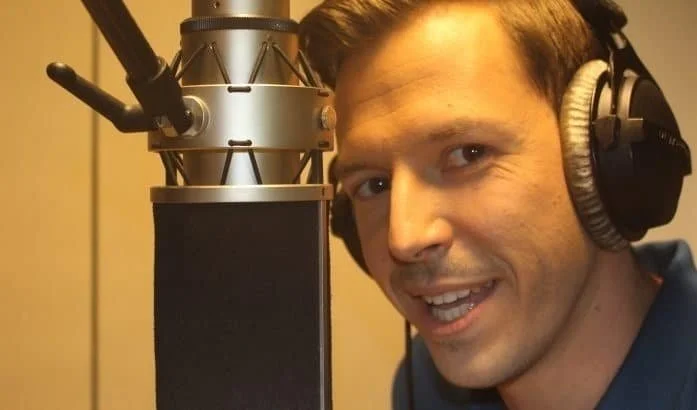
Neutral45, CC BY-SA 4.0 <https://creativecommons.org/licenses/by-sa/4.0>, via Wikimedia Commons
f AI has found a foothold in Hollywood, it’s not through faces—it’s through voices.
Throughout November, studios and agencies finalized a growing number of voice-licensing agreements tied to dubbing, ADR, and localization. These deals allow actors to license their voices for AI-assisted reproduction across languages and formats, with defined usage limits and compensation structures.
The shift is pragmatic. Global streaming has made dubbing a bottleneck, and AI voice models now deliver consistent results faster than traditional recording sessions. For studios, licensed voice models reduce costs and speed up international releases. For actors, they offer clarity—contracts instead of speculation.
Unlike digital likeness, voice is treated as labor rather than identity. That distinction has made negotiation possible. Agents report that many performers now see voice licensing as analogous to residualized ADR work rather than a threat to their careers.
Studios have leaned into that framing. AI voice tools are increasingly classified as post-production software, not performance capture, placing them closer to editing than acting. That categorization may eventually be challenged, but for now it keeps projects moving without reopening strike-era wounds.
The concern is scope creep. What starts as dubbing quickly expands to narration, background roles, and temporary dialogue. Each step feels incremental—until it doesn’t. Labor protections tend to lag behind normalization.
Hollywood hasn’t solved the ethics of synthetic performance. It has solved the paperwork. Voice licensing works because it fits inside existing legal frameworks, even if it quietly stretches them.
Sound, it turns out, is where the industry is willing to compromise first.