
Taylor Swift and the New Rules of AI Enforcement
Why celebrity power, not law, is shaping how platforms police synthetic likeness
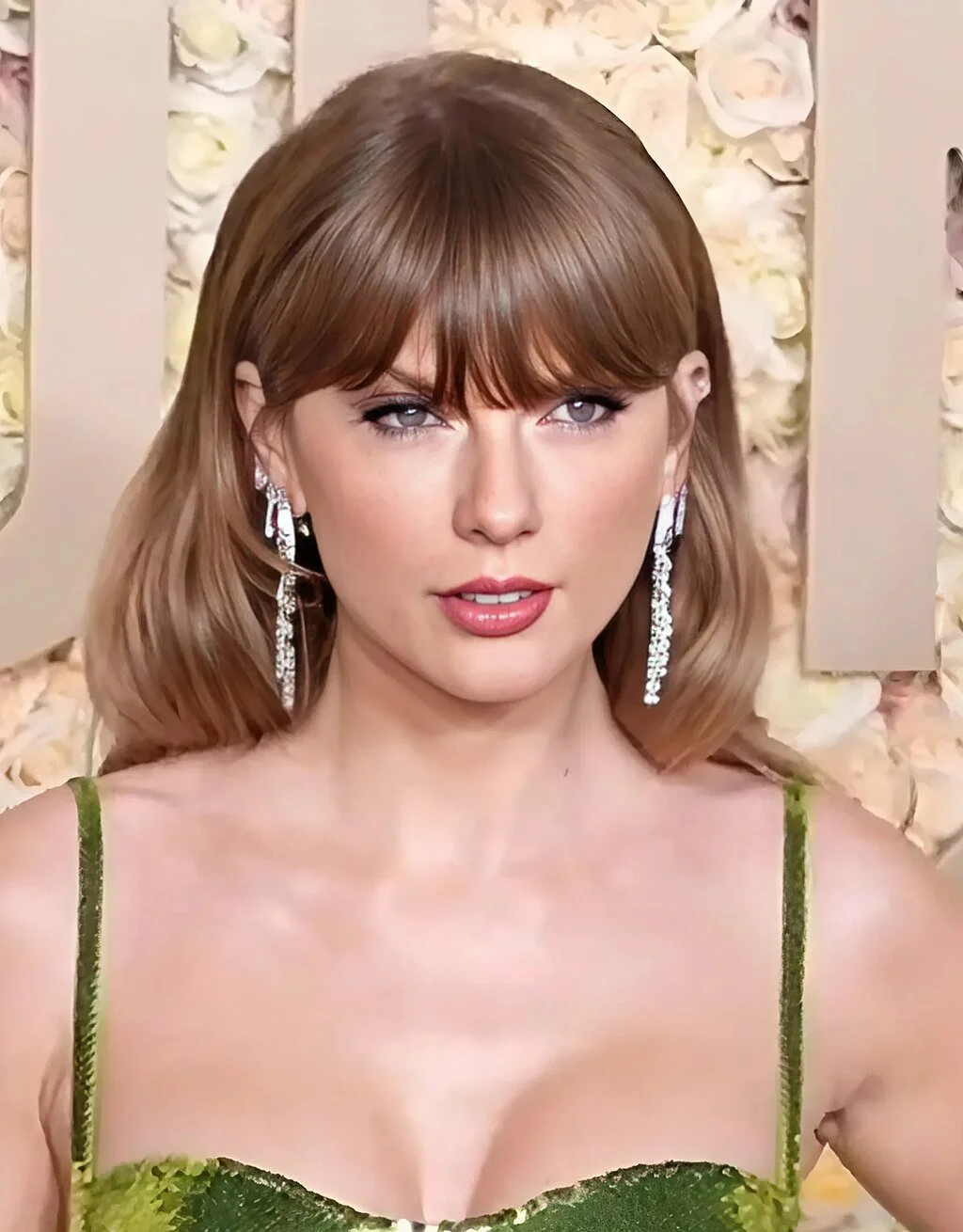
iHeartRadioCA, CC BY 3.0 <https://creativecommons.org/licenses/by/3.0>, via Wikimedia Commons
Taylor Swift has not released an AI-generated album, collaborated with an AI model, or endorsed synthetic creativity in any formal way. Yet her presence has become one of the most powerful forces shaping how AI-generated celebrity content is policed online.
Throughout 2025, AI-generated images and songs bearing Swift’s likeness have circulated widely—often briefly. Platforms now remove such content with unusual speed, sometimes within hours, even when no formal takedown notice has been filed. By December, that pattern had hardened into policy.
The reason is not legal clarity. Copyright law remains murky around AI-generated resemblance, especially when no direct training data can be proven. The reason is leverage. Swift’s brand is among the most valuable in the world, and platforms understand the cost of conflict.
Content moderation teams now operate with an informal hierarchy. Synthetic content involving globally recognizable figures triggers escalation protocols that ordinary users never see. “There’s a fast lane for certain names,” one platform employee acknowledged privately. “Everyone knows which ones.”
This creates a new reality for Hollywood: enforcement in the AI era is less about rights than about power. Celebrities with massive cultural and economic weight can effectively force compliance through reputational gravity alone. Others cannot.
Studios are watching closely. If platforms respond primarily to brand risk, not legal obligation, then celebrity participation in AI becomes a strategic question. Opt out entirely and risk uncontrolled imitation—or engage selectively to define boundaries.
Swift has chosen distance. But the effect is still regulatory. Without issuing threats or statements, she has helped establish an expectation: unlicensed AI use of top-tier celebrity identity is unacceptable, regardless of technical legality.
For lesser-known performers, the lesson is harsher. Protection is uneven. Enforcement follows fame.
AI may be democratizing creation—but celebrity still dictates control.