
TikTok’s AI Video Explosion Is Reshaping Music Marketing
Labels are increasingly designing campaigns around synthetic clips, meme formats, and AI-generated fan participation rather than traditional promotion
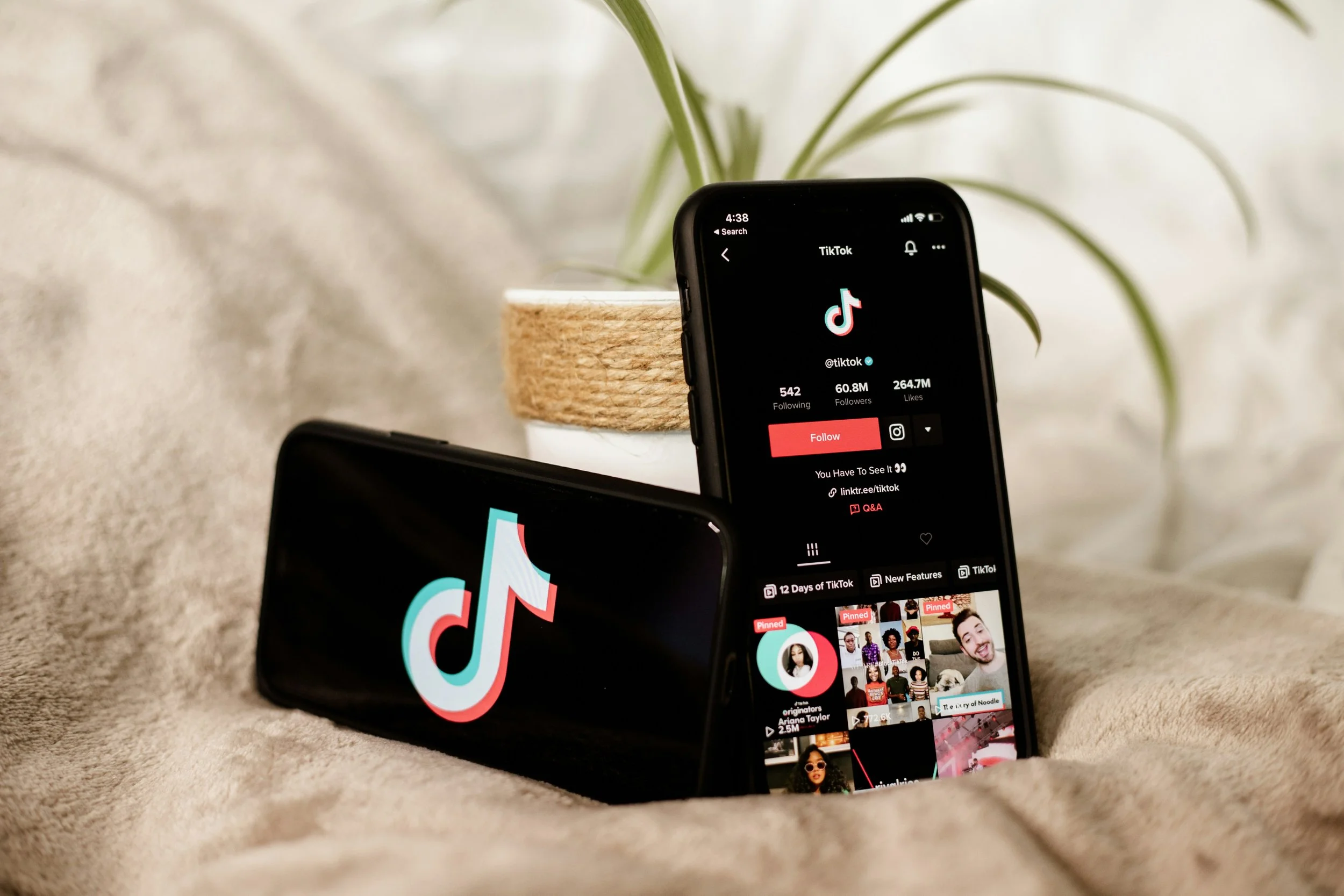
The music industry’s relationship with AI is rapidly becoming less theoretical and far more operational.
According to Billboard reporting published this month, labels and artist-management teams are increasingly building marketing campaigns specifically designed for AI-generated video ecosystems on TikTok and short-form platforms. The shift reflects how quickly synthetic media has moved from novelty to infrastructure inside online music promotion.
The strategy is not simply about generating content faster. It is about generating participation.
Over the past year, TikTok feeds have become saturated with AI-assisted edits, synthetic concert visuals, animated fan remixes, and stylized reinterpretations of artists that can spread across thousands of user accounts within hours. Music executives increasingly view that ecosystem not as infringement, but as algorithmic amplification.
For labels, the economics are attractive. Traditional music-video production remains expensive and slow, while AI-assisted content can be created almost instantly and adapted continuously around trending formats. Instead of relying on one polished campaign asset, marketing teams now produce dozens of iterative versions optimized for different audience behaviors.
Some campaigns are even intentionally designed to encourage fan manipulation. AI-generated visual templates allow users to insert themselves into artist universes, remix songs into anime aesthetics, or generate alternate fictional narratives tied to albums and tours.
The result is a new form of promotion where the audience effectively becomes part of the distribution system itself.
This dynamic is particularly valuable because streaming economics increasingly reward sustained engagement rather than singular release moments. A song that remains culturally active across short-form video ecosystems for weeks can dramatically outperform tracks that debut strongly but disappear quickly from social circulation.
Labels have noticed.
Executives interviewed by Billboard described AI-assisted fan participation as one of the fastest-growing areas of digital music marketing. Some campaigns now budget specifically for generative content workflows alongside traditional advertising buys.
The shift also reflects broader changes in celebrity branding. Younger audiences increasingly expect artists to exist continuously online rather than only through polished releases. AI-generated ecosystems allow stars to maintain constant visibility without requiring direct participation in every piece of content.
There are still major tensions underneath the surface. Artists and managers remain wary about how synthetic replicas might affect long-term brand control. Some labels are experimenting aggressively while others remain cautious about oversaturating audiences with low-quality AI visuals.
There is also the unresolved issue of ownership. Once fan-generated synthetic media becomes central to promotion, the boundary between official marketing and unofficial remix culture becomes difficult to define.
But culturally, the direction appears clear.
For years, Hollywood treated AI primarily as a production problem. The music business is increasingly treating it as a distribution opportunity.
That difference may explain why labels are moving faster than studios in adapting synthetic media into mainstream commercial strategy.