
Why studios are more comfortable with AI when it behaves like infrastructure
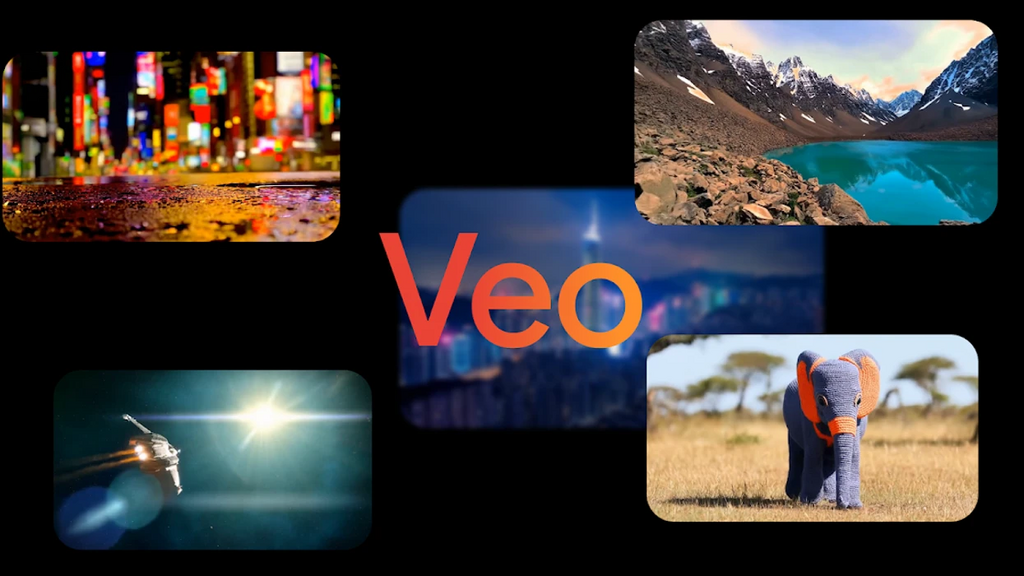
Google, some images generated by Google Veo, Public domain, via Wikimedia Commons
Google did not introduce Veo to Hollywood with a spectacle. There were no viral demos, no promises of cinematic revolution. Instead, the company let studios test it quietly.
By early November, multiple production executives confirmed that Veo—Google’s high-end text-to-video model—was being evaluated inside controlled studio environments, primarily for development and pre-production. The emphasis was deliberate: previs, visualization, internal pitch materials. Nothing public-facing. Nothing resembling a finished film.
After the turbulence caused by OpenAI’s Sora 2, that restraint matters. Veo’s Hollywood positioning is closer to infrastructure than authorship. Google has framed the tool as an enterprise-grade system trained on licensed data, deployed behind studio firewalls, and governed by compliance protocols rather than creative ambition.
Producers testing Veo describe it as conservative but reliable. It handles camera continuity, spatial logic, and environmental consistency well, without drifting into performance. One executive called it “a very expensive storyboard artist”—high praise in an industry that values predictability over surprise.
That predictability is Veo’s real advantage. Hollywood has no appetite for another existential debate about synthetic actors. What it needs is cost control. Development budgets continue to swell while greenlights shrink, and AI that speeds up pre-production without touching performers is far easier to justify internally.
The risk, of course, is normalization. Once AI-generated imagery becomes standard in development, it inevitably pushes downstream. Departments don’t disappear overnight; they compress. Fewer iterations mean fewer hands involved, and fewer entry points for junior creatives.
Google appears to understand this dynamic. Veo is not being sold as a creative partner, but as a workflow optimizer. If it succeeds, it won’t be because it changed what movies look like—but because it changed how early decisions get made.
In Hollywood, the most disruptive technologies are often the ones that feel boring.