
The Academy Draws Its First Hard AI Line
New Oscar rules require human-authored screenplays and human-performed acting, turning awards eligibility into one of Hollywood’s first enforceable AI boundaries
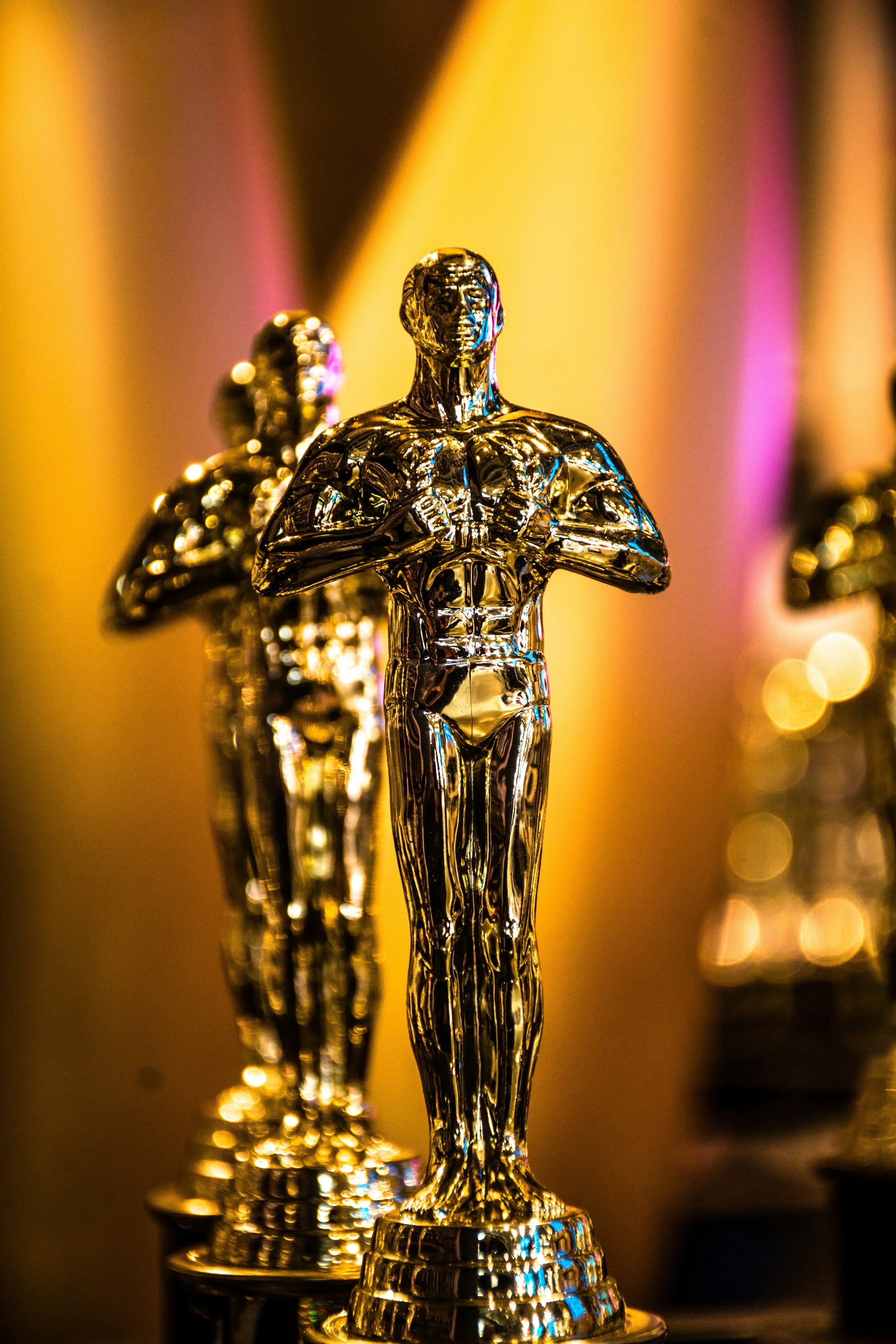
Photo by Samuel Ramos on Unsplash
The Academy of Motion Picture Arts and Sciences has finally moved from AI ambiguity to AI exclusion. In rules announced May 1 for the 99th Academy Awards, the organization said that only human-authored screenplays will be eligible in writing categories and that acting performances must be demonstrably performed by humans, with consent, to qualify for awards consideration.
The rule change matters because the Academy had previously taken a more neutral posture, insisting that the use of generative AI neither helped nor harmed a film’s Oscar chances. That position became increasingly difficult to defend as AI tools moved from invisible post-production assistance into more contested areas of authorship, performance and identity. The new language does not ban AI from filmmaking, but it draws a clearer boundary around the categories where Hollywood still insists human contribution is non-negotiable.
The decision arrives after a year of controversies that made the issue unavoidable. The AI-assisted completion of Val Kilmer’s posthumous performance, the backlash over AI-generated performers like Tilly Norwood and disputes over voice replication all raised the same underlying question: when does a tool become a substitute? The Academy’s answer, at least in writing and acting, is that a substitute cannot win the award.
That distinction is important. The new rules still leave room for AI in editing, visual effects, sound, animation and production workflows, where technology has long shaped the finished image. But acting and writing occupy a different symbolic position in Hollywood. They are not merely technical categories; they are the places where the industry locates human intention.
For studios, the change introduces a new compliance layer. Awards campaigns may now need to be more careful about documenting how performances and scripts were created, especially on films that use AI in post-production or digital augmentation. The Academy also reserved the right to request additional information about AI usage and human authorship, which means disclosure may become a practical necessity even if it is not yet a universal requirement.
The rule does not settle every question. A performance enhanced by digital tools may still qualify if the underlying work was performed by a human actor with consent. A screenplay developed with brainstorming software may raise harder questions if the final writing is credited to a human. The line between assistance and authorship will continue to be tested.
But the Academy has now done something studios and guilds had been circling for more than two years: it created consequences. A film can use AI, but it cannot submit an AI-generated actor or AI-written script as if those were human achievements.
That may not stop the technology from advancing. It does, however, make clear that Hollywood’s most prestigious institution is not ready to treat machine output as equivalent to human craft.