
Ryan Reynolds and the First AI Advertising Problem Hollywood Can’t Ignore
Why celebrity-driven brands are colliding with generative marketing tools
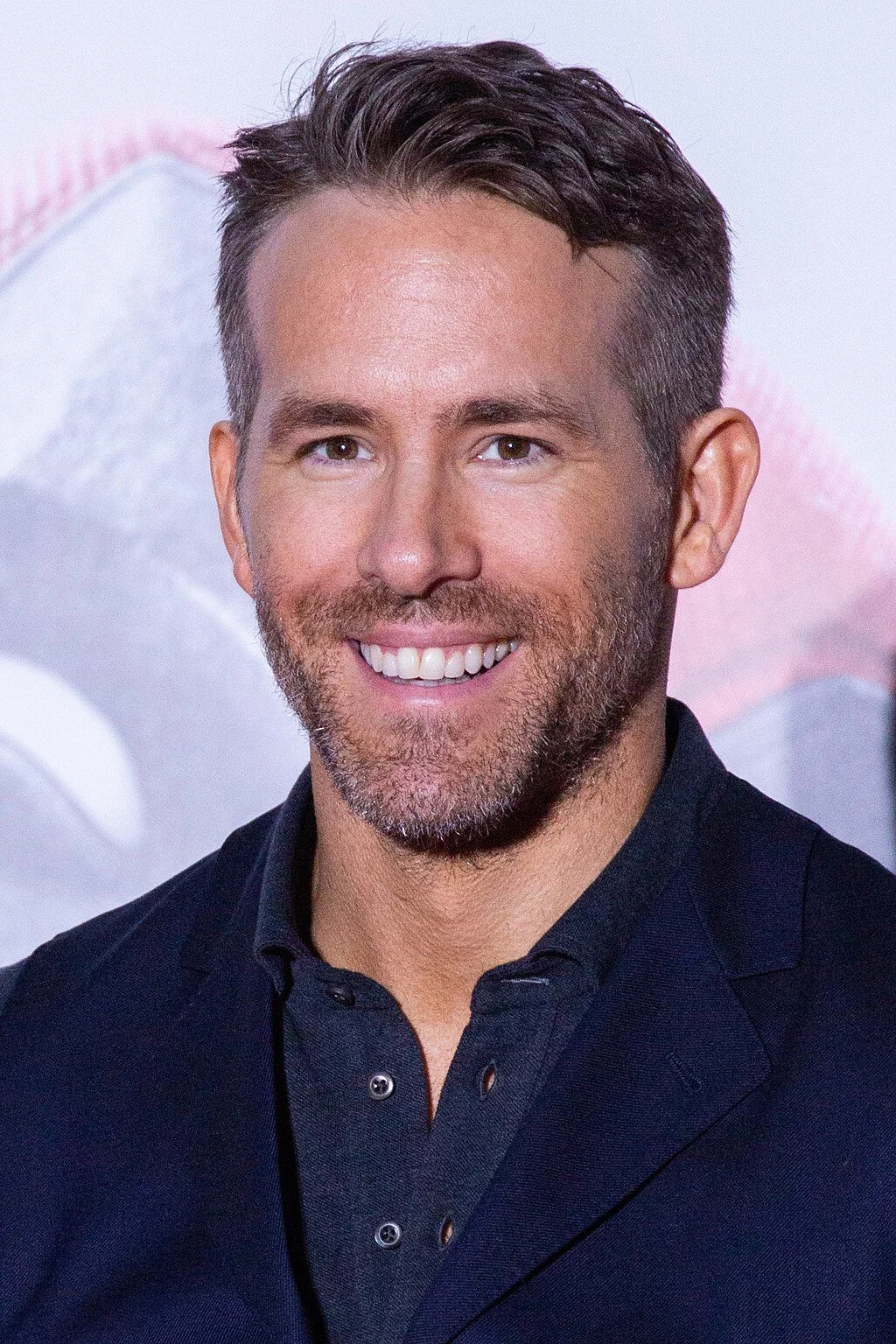
Dick Thomas Johnson from Tokyo, Japan, CC BY 2.0 <https://creativecommons.org/licenses/by/2.0>, via Wikimedia Commons
Ryan Reynolds didn’t set out to test Hollywood’s AI boundaries. He set out to sell things.
Over the past year, Reynolds’ production company Maximum Effort has become one of the most effective brand-storytelling engines in entertainment, blurring the line between advertising, comedy, and short-form narrative. In January, industry insiders confirmed that generative AI tools are now being tested internally to accelerate concepting and iteration for those campaigns—raising a question Hollywood hasn’t fully confronted: what happens when AI enters celebrity-authored advertising?
Unlike film or television, advertising has always been a creative gray zone. It’s fast, disposable, and exempt from many guild protections. That makes it fertile ground for AI experimentation—and a potential flashpoint when celebrity identity is part of the product.
Reynolds’ brand works because it feels authored. The humor sounds like him. The timing feels human. Introducing AI into that process doesn’t threaten replacement; it threatens authenticity. If a machine can generate “a Ryan Reynolds–style joke,” who is the author—and who gets paid?
Agencies are paying attention. Advertising already relies on celebrity personas as semi-fictional IP. AI complicates that further by enabling scale without direct participation. A star could, in theory, license a tone rather than a performance.
That possibility makes talent uneasy. Several agents confirmed that advertising clauses are now being scrutinized more closely than film or TV language, precisely because AI use in brand campaigns is less regulated and more likely to expand quietly.
Studios are watching too. Advertising has historically served as a testing ground for creative tools that later migrate into entertainment. If AI becomes normalized in celebrity-driven brand storytelling, the line between promotion and performance begins to erode.
Reynolds’ situation matters not because he is using AI aggressively, but because he represents the collision of three forces: celebrity authorship, advertising speed, and generative scalability. Hollywood has rules for films. It has far fewer for jokes that sell phones.
The next major AI fight may not be over movies. It may be over who owns a personality when it becomes programmable.