
Why eligibility rules are becoming Hollywood’s next AI battleground
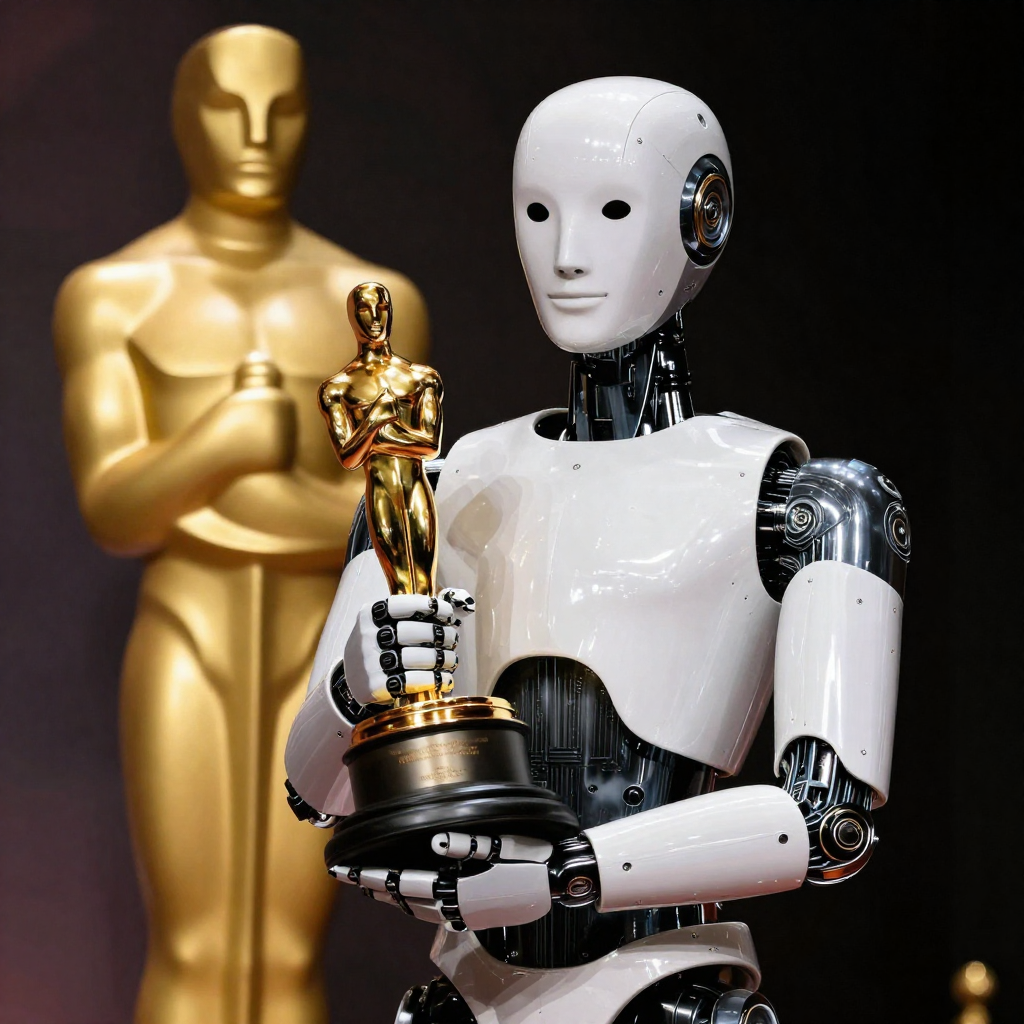
Image from Freepik
Artificial intelligence didn’t dominate awards season in 2025—but it haunted it.
As guilds and academies prepared ballots in January, quiet conversations began circulating around a question no organization has answered publicly: how much AI is too much for awards eligibility?
The issue surfaced after several high-profile films acknowledged the use of generative tools in post-production and development. None were fully AI-generated. But many relied on AI-assisted processes for dialogue cleanup, visual effects, and even structural story analysis.
Awards bodies have always drawn lines around authorship. The Writers Guild defines what constitutes a written work. The Academy defines human contribution. AI destabilizes those definitions without directly violating them.
So far, the strategy has been avoidance. No major awards body has issued formal guidance on AI usage. Instead, eligibility committees are handling cases quietly, project by project, hoping no controversy forces a public stance.
That won’t last.
Awards are not just symbolic; they are economic engines. Eligibility affects careers, compensation, and market value. Once AI use becomes widespread enough to affect outcomes, pressure for disclosure will intensify.
Studios worry that mandatory AI disclosures could stigmatize projects retroactively. Creatives worry that undisclosed AI use could devalue human labor. Neither side wants the fight—but both know it’s coming.
The Academy has faced similar moments before. Motion capture raised authorship questions. Digital cinematography challenged traditional craft categories. Each time, rules lagged behind practice.
AI raises a sharper dilemma: if a system materially shapes creative decisions but no single output can be isolated, where does contribution begin and end?
For now, the industry is relying on a familiar tactic: keep things vague until forced otherwise. But awards season is a spotlight, and AI doesn’t stay invisible forever.
When the first nomination is challenged on AI grounds, awards bodies will have to decide whether they are celebrating results—or process.
That decision will shape how Hollywood defines creativity in the age of machines.