
Hollywood and ByteDance Reach an AI Copyright Agreement
The Motion Picture Association has secured stronger copyright protections from ByteDance for its AI video and image tools. The agreement marks a rare negotiated outcome in Hollywood's ongoing fight over unauthorized use of its intellectual property.
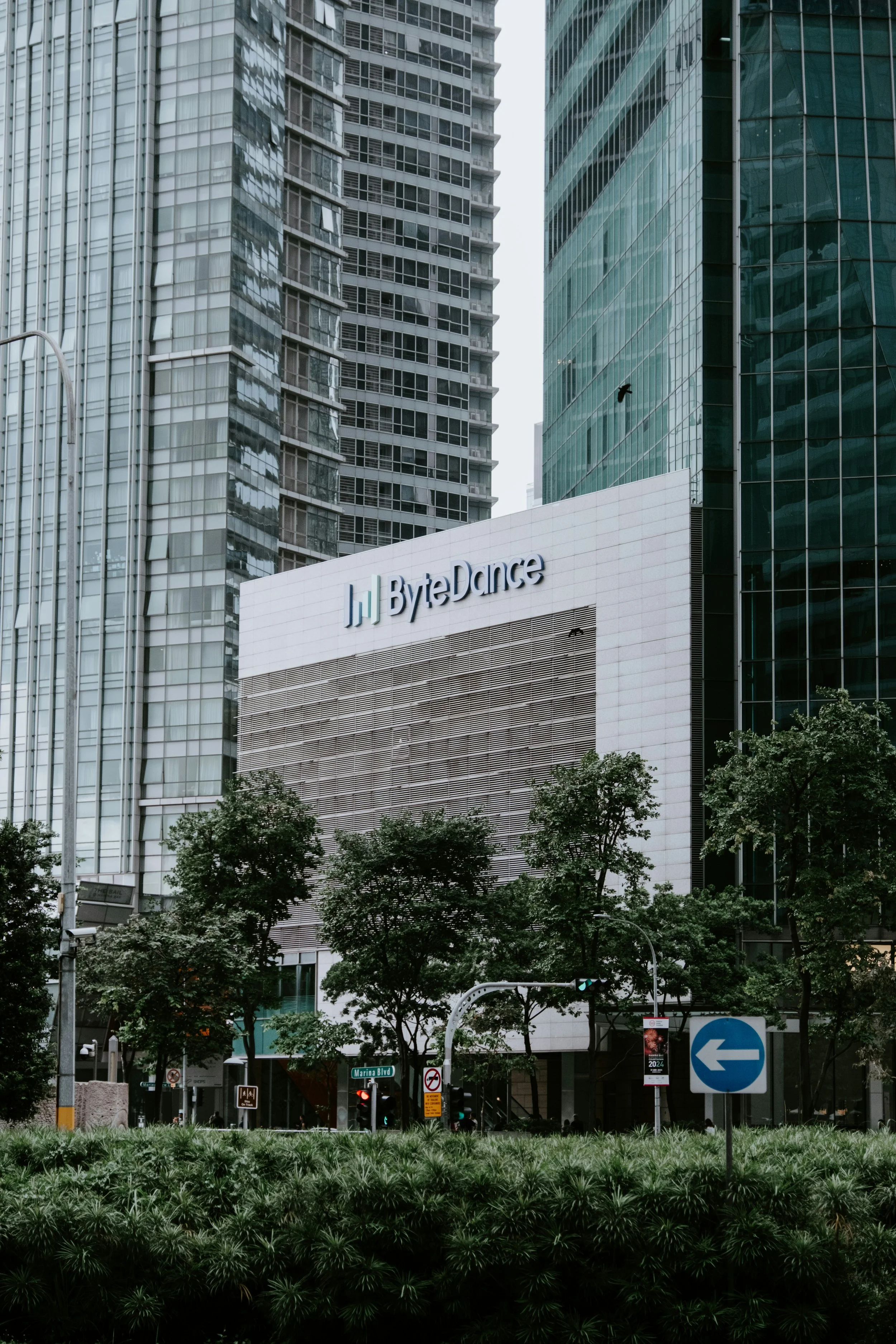
Photo by Claudio Schwarz on Unsplash
Hollywood's campaign against unauthorized AI-generated versions of its characters has produced its first agreement with a major technology company. On August 17, the Motion Picture Association announced that ByteDance had strengthened copyright safeguards in its Seedance video generator and Seedream image generator after months of negotiations.
The agreement follows a confrontation earlier this year, when the MPA accused ByteDance of enabling unauthorized reproductions of copyrighted entertainment properties. In February, the organization sent a cease-and-desist letter alleging that Seedance 2.0 had been trained on copyrighted material and could generate videos featuring characters such as SpongeBob SquarePants, along with imagery resembling scenes from Stranger Things.
ByteDance responded that it was taking steps to prevent unauthorized uses of intellectual property and likenesses. The two sides subsequently continued discussions, leading to the August announcement.
The MPA represents major film and television companies, including Disney, Netflix and Sony Pictures Entertainment. Its members have substantial financial interests in protecting characters, stories and imagery that support theatrical releases, streaming businesses, merchandise and licensing agreements.
For those companies, generative video creates a problem that extends beyond individual unauthorized clips. If consumers can produce recognizable characters or imitate established franchises through a text prompt, studios risk losing some control over how their intellectual property is presented and commercially exploited.
The MPA described the agreement as a step toward protecting creative content. ByteDance likewise emphasized the importance of intellectual property protections while developing AI technology.
The announcement did not, however, explain exactly what restrictions had been introduced. The MPA declined to disclose the specific safeguards, making it difficult to independently assess their effectiveness or determine how easily users might circumvent them.
That limitation is important. A public commitment to stronger protections does not establish that every unauthorized output has been prevented.
Nor does the agreement resolve the broader dispute over AI training. Hollywood companies have challenged the use of copyrighted works to develop generative models, a separate question from whether a finished product blocks users from creating recognizable characters.
Nevertheless, the development offers an alternative to litigation. Instead of waiting for a court to determine the boundaries of acceptable AI use, rights holders and technology developers can negotiate changes to the products themselves.
The timing is significant because generative video is becoming more relevant to professional production. Filmmakers are experimenting with AI tools for visual concepts, promotional material and sequences that might otherwise require extensive visual effects.
That creates a complicated relationship between Hollywood and companies such as ByteDance. Studios want access to useful technology, but they also want assurance that the same systems will not undermine the value of their film libraries.
The agreement does not establish an industry-wide standard, and it remains unclear whether other AI developers will accept similar restrictions.
Still, it demonstrates that copyright enforcement need not end exclusively in a courtroom. As AI video tools become more capable, Hollywood's negotiating power may depend not only on lawsuits but also on its willingness to define the terms under which those tools can operate.