
SAG-AFTRA Tightens the Rules on AI Voice Replication
The union’s February guidance shows where the next labor fight is heading
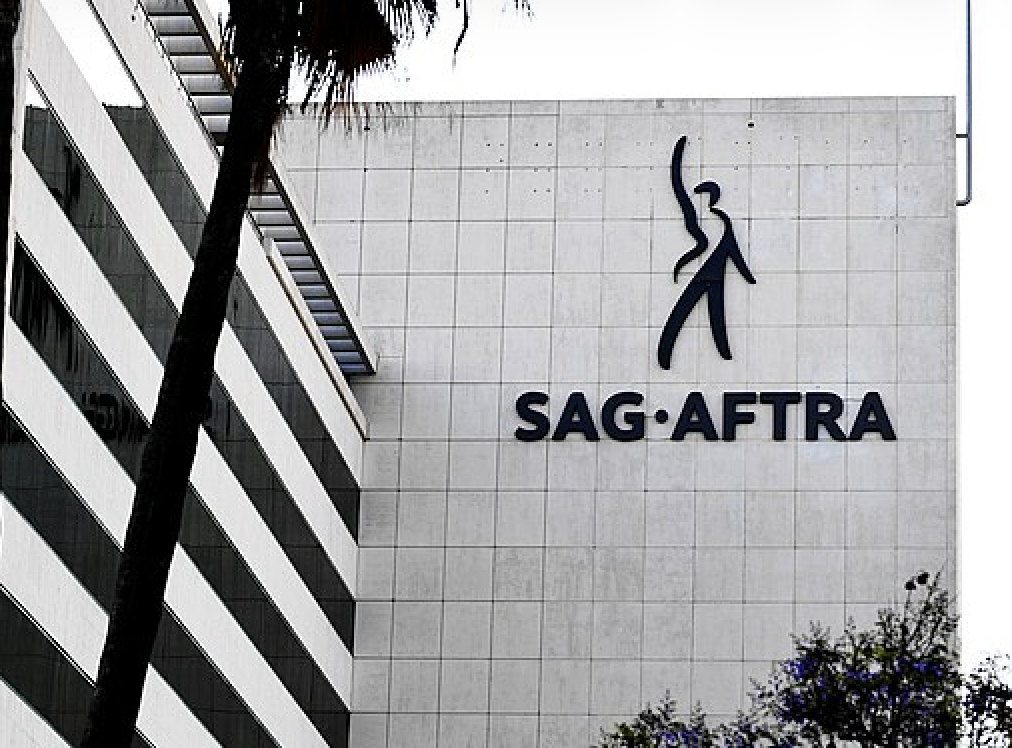
Jaguirre2192, CC BY-SA 4.0 <https://creativecommons.org/licenses/by-sa/4.0>, via Wikimedia Commons
On February 20, SAG-AFTRA issued updated guidance to members addressing one of the fastest-moving areas of artificial intelligence in entertainment: voice replication.
The union’s advisory does not introduce new contract language — that was negotiated during the 2023 strikes — but it clarifies how performers should interpret those protections as voice-cloning technologies spread across gaming, film localization, and advertising.
At its core, the guidance reiterates a principle SAG-AFTRA has been emphasizing for more than two years: a performer’s voice is protected intellectual property. Any digital replica of that voice must be created with explicit consent and negotiated compensation.
The clarification arrives as AI voice tools have become dramatically easier to use. Several startups now offer systems capable of generating convincing vocal performances from just minutes of recorded audio. What once required specialized technical teams can now be accomplished with consumer-level software.
For performers, that accessibility represents both opportunity and risk.
Voice actors in particular have watched the technology evolve with unease. Dubbing, animation, and video game work rely heavily on vocal performance, and AI cloning could theoretically reproduce those performances without the actor ever entering a recording booth.
SAG-AFTRA’s guidance therefore focuses heavily on licensing frameworks. The union encourages members to treat voice replication agreements similarly to traditional performance contracts, specifying exactly where and how a digital voice model can be used.
The document also warns performers to be cautious about signing broad consent agreements that allow companies to reuse voice models indefinitely. Once a high-quality digital voice replica exists, it can theoretically generate new performances without additional recording sessions.
Studios and technology companies argue that the tools could ultimately create new opportunities. AI-assisted voice generation might allow actors to record fewer sessions while still licensing their voices for international dubbing or video game dialogue.
But the union remains skeptical. The history of digital labor in entertainment suggests that efficiency gains often translate into fewer jobs rather than expanded opportunities.
The February guidance does not resolve that tension, but it signals where future negotiations may focus. Unlike generative video or image tools, voice replication deals directly with the personal identity of performers.
And in Hollywood, identity is often the most valuable asset of all.