
Netflix Buys Ben Affleck’s AI Studio
Why the streamer’s February acquisition signals a shift in how movies may be made
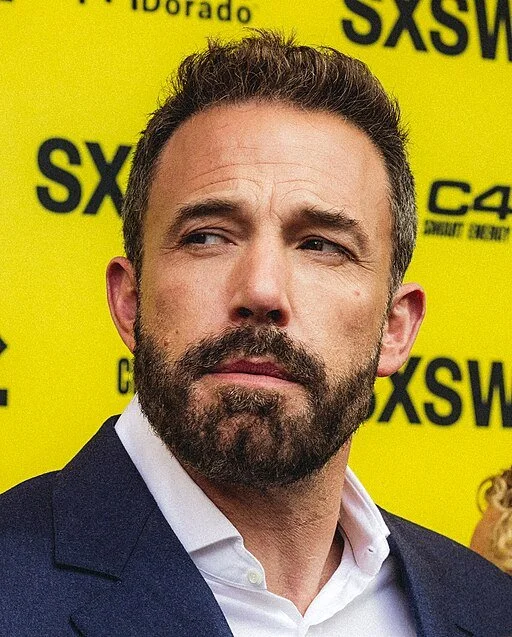
Nomoretitanic, CC BY-SA 4.0 <https://creativecommons.org/licenses/by-sa/4.0>, via Wikimedia Commons
Netflix rarely acquires technology companies tied directly to individual filmmakers. That’s why its February purchase of an artificial-intelligence filmmaking startup backed by Ben Affleck immediately attracted attention across Hollywood.
The company, founded quietly in 2024 by Affleck alongside a small group of engineers and producers, had spent two years building AI tools designed specifically for narrative production. Unlike many generative-video startups that chase viral demos, the startup’s software focused on practical filmmaking tasks: generating storyboards from scripts, producing early visual effects simulations, and building digital environments for pre-visualization.
Netflix’s acquisition suggests the company sees AI not as an external experiment but as a future part of its production pipeline.
The timing is notable. Streaming economics have tightened across the industry as content budgets ballooned during the early streaming wars. While Netflix remains the most profitable streaming platform, executives have increasingly emphasized efficiency. AI tools that shorten development timelines or reduce production costs are therefore attractive—not because they replace creators but because they allow studios to stretch budgets further.
Affleck’s involvement made the acquisition easier to understand. The actor and director has long expressed interest in how technology can democratize filmmaking. In interviews about the startup before the acquisition, he described its goal as “giving filmmakers the ability to visualize and build ambitious scenes without needing a $200 million budget.”
That philosophy aligns closely with Netflix’s global strategy. The streamer now produces original films and series in more than 50 countries, many of which operate with significantly smaller budgets than traditional Hollywood blockbusters. AI-assisted pre-visualization and production tools could allow those projects to achieve a visual scale that previously required far larger resources.
The acquisition also signals a broader shift in how AI companies approach Hollywood. For several years, startups attempted to disrupt filmmaking outright, promoting generative tools that could create entire videos from text prompts. Studios and unions pushed back hard against those ideas, arguing that they threatened jobs and creative authorship.
The new generation of tools is more pragmatic. Instead of replacing filmmakers, they aim to assist them in early development and planning stages.
Industry reaction has been cautious but curious. Producers see clear advantages in software that can generate detailed storyboards or previs sequences in hours rather than weeks. Visual effects supervisors note that AI-generated prototypes could help directors experiment with ideas before committing millions of dollars to final production.
But labor groups remain wary. The Writers Guild and SAG-AFTRA negotiated specific language about AI during the 2023 strikes, and the integration of generative tools into studio pipelines could reopen debates about authorship and credit.
For Netflix, the acquisition represents both a technological investment and a narrative one. By purchasing a company associated with a respected filmmaker rather than a Silicon Valley startup, the streamer can frame AI as a creative tool rather than a disruptive threat.
Whether that framing holds will depend on how the technology is ultimately used.